Recent Posts
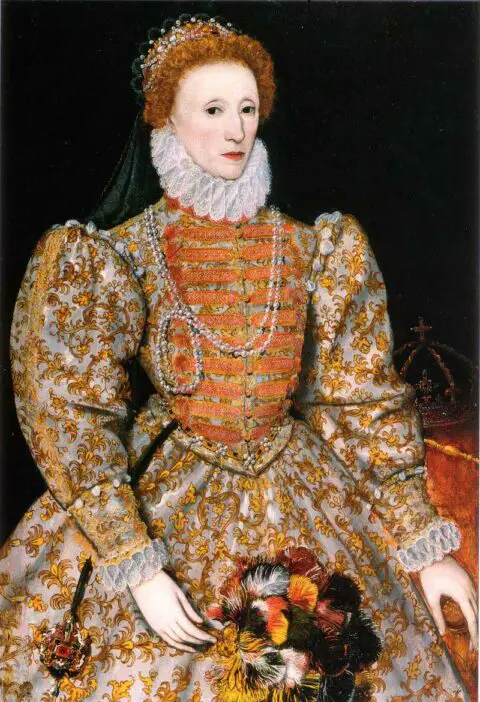
Welcome to the Elizabeth Files!
Welcome to the Elizabeth Files website! This site has hundreds of articles and resources on Queen Elizabeth I, daughter of…

Becoming Elizabeth Season Finale – To death we must stoop
The season finale of Becoming Elizabeth sees us fast-forwarding two months from the end of the last episode, where we…
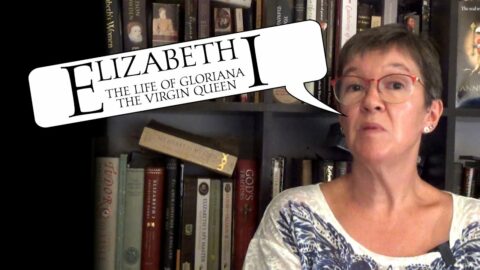
Just who was the real Queen Elizabeth I?
If you’ve been following my weekly videos on the Starz series “Becoming Elizabeth”, you’ll have realised that I’ve been rather…
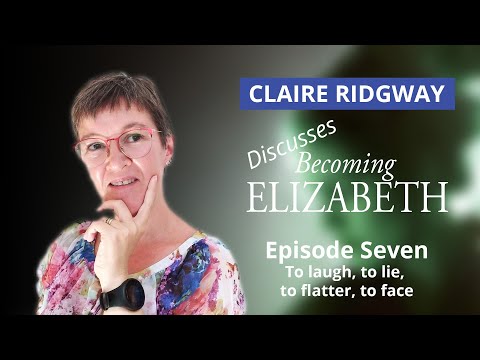
Becoming Elizabeth Episode 7 – To laugh, to lie, to flatter, to face
Episode 7 of Becoming Elizabeth, “To laugh, to lie, to flatter, to face”, was yet another action packed episode. We…
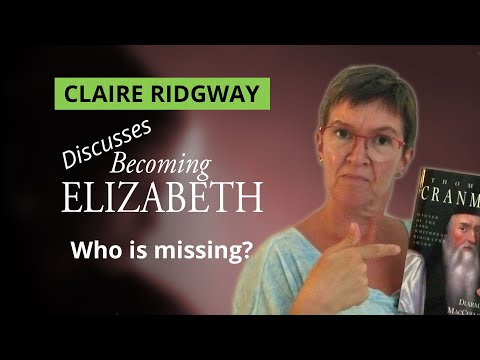
Becoming Elizabeth – Who is missing?
Becoming Elizabeth” has been a mixed bag when it comes to historical accuracy, with the timeline being all over the…
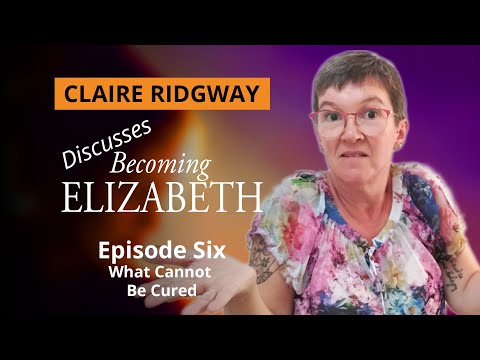
Becoming Elizabeth – Episode 6 – What Cannot be Cured – The fact behind the fiction
In episode 6 of “Becoming Elizabeth”, “What cannot be cured”, we saw Thomas Seymour pay the ultimate price for his…
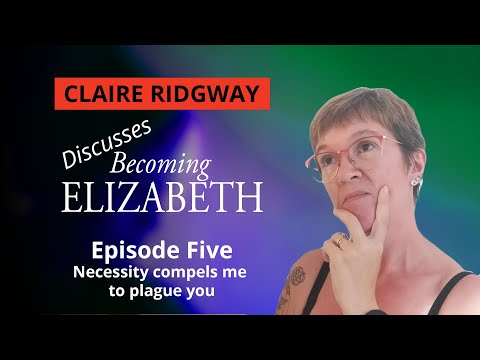
Becoming Elizabeth Episode 5 – Necessity compels me to plague you – The real history behind the show
This week’s episode, Necessity compels me to plague you, was jam-packed! Thomas Seymour stalks Elizabeth and manages to wheedle out…
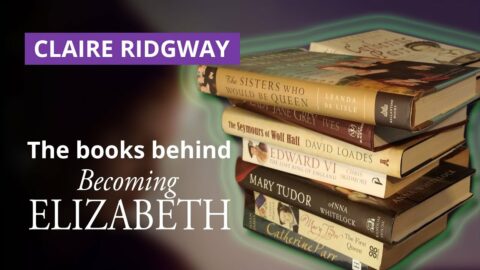
Becoming Elizabeth Books – Books to help you learn the history behind the series
I hope that the Starz series “Becoming Elizabeth” is making viewers hungry to know more about the real historical people…
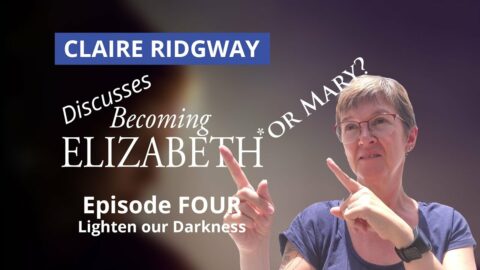
Becoming Elizabeth – Episode 4 – Lighten Our Darkness – Becoming Elizabeth or Becoming Mary?
This week’s episode of Becoming Elizabeth, Lighten our Darkness, had us thinking that Elizabeth might just be pregnant, saw the…
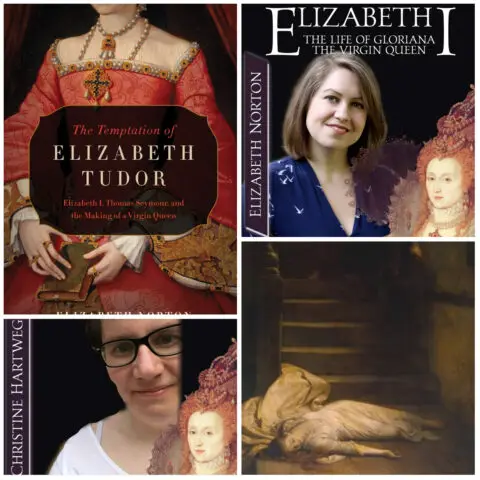
News – Elizabeth Norton joins the Elizabeth I event to talk about Seymour and Elizabeth, our first talk goes live, and you can join our Zoom call
I’m getting really excited about “Elizabeth I: The Life of Gloriana, the Virgin Queen”, the online event I’m running. I…
Becoming Elizabeth – Episode 3 – Either Learn or Be Silent
In this week’s episode of “Becoming Elizabeth”, episode 3 “Either Learn or Be Silent”, things come to a head between…
Becoming Elizabeth – Episode 2 Part 2 with feedback from Tom Cullen and Anya Reiss
Thank you to all those who commented on my last video with their views on the Elizabeth and Seymour storyline….

Actor Tom Cullen responds to my anger over Becoming Elizabeth’s Thomas Seymour and Elizabeth Storyline
Trigger alert: This post is on the topic of abuse and grooming. If you’ve watched my video on the second…
Becoming Elizabeth – Episode 2 – Elizabeth I’s #metoo moment is ruined
If I had a soapbox, I’d be getting on it this week! Honestly, I was so cross about episode 2…
Becoming Elizabeth – Episode 1 – Keep the Knife Bright – Fictions versus history
In the first of these weekly videos on the Starz series “Becoming Elizabeth”, I discuss Episode 1 “Keep your knife…
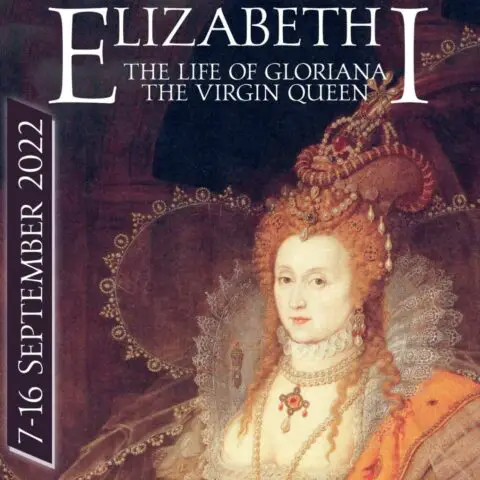
NEW Elizabeth I online event starts with a chat about Becoming Elizabeth this week!
Did you watch the first episode of “becoming Elizabeth”? I did, and I made rather a lot of notes too!…
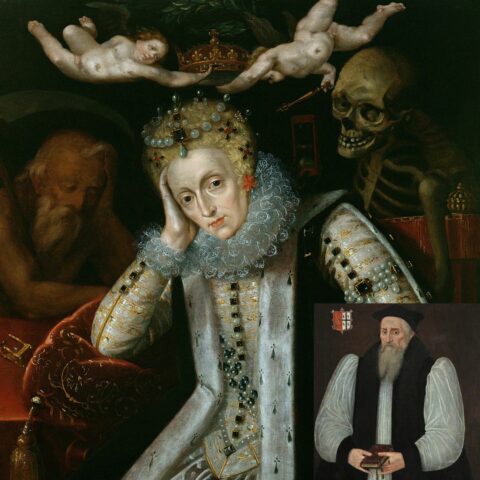
Elizabeth I’s aching tooth and the bishop who helped her
In 1578, Elizabeth I was suffering badly with toothache, and really needed the problem tooth extracted. However, she was afraid…
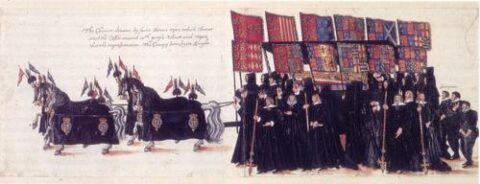
28 April – Elizabeth I’s funeral and burial at Westminster Abbey
On this day in 1603, Elizabeth I’s funeral took place in London. After her death on 24th March 1603, the…
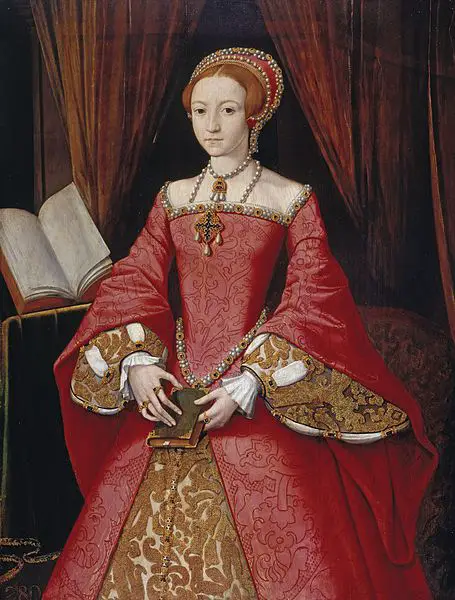
Mary I releases Elizabeth from the Tower of London
On this day in Tudor history, 19th May 1554, in the reign of Queen Mary I, Elizabeth (the future Queen…
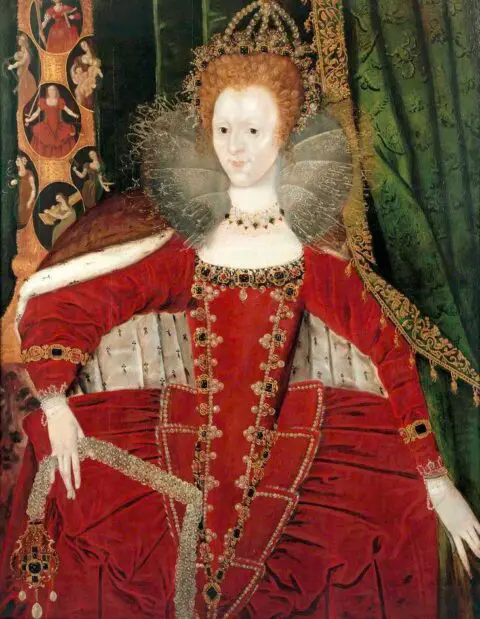
Elizabeth I’s Act of Uniformity and Act of Supremacy – A Middle Road?
On this day in Tudor history, 8th May 1559, Queen Elizabeth I gave her approval to the Acts of Uniformity…
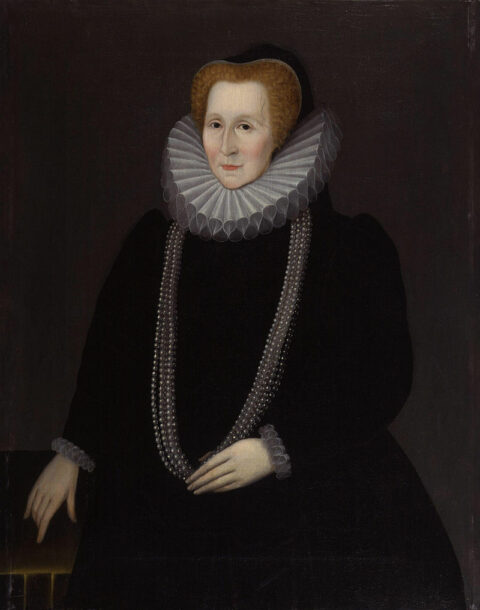
Bess of Hardwick
Elizabeth Talbot, Countess of Shrewsbury, who has gone down in history as Bess of Hardwick, was buried on this day…